
Deep Penetration TIG Welding
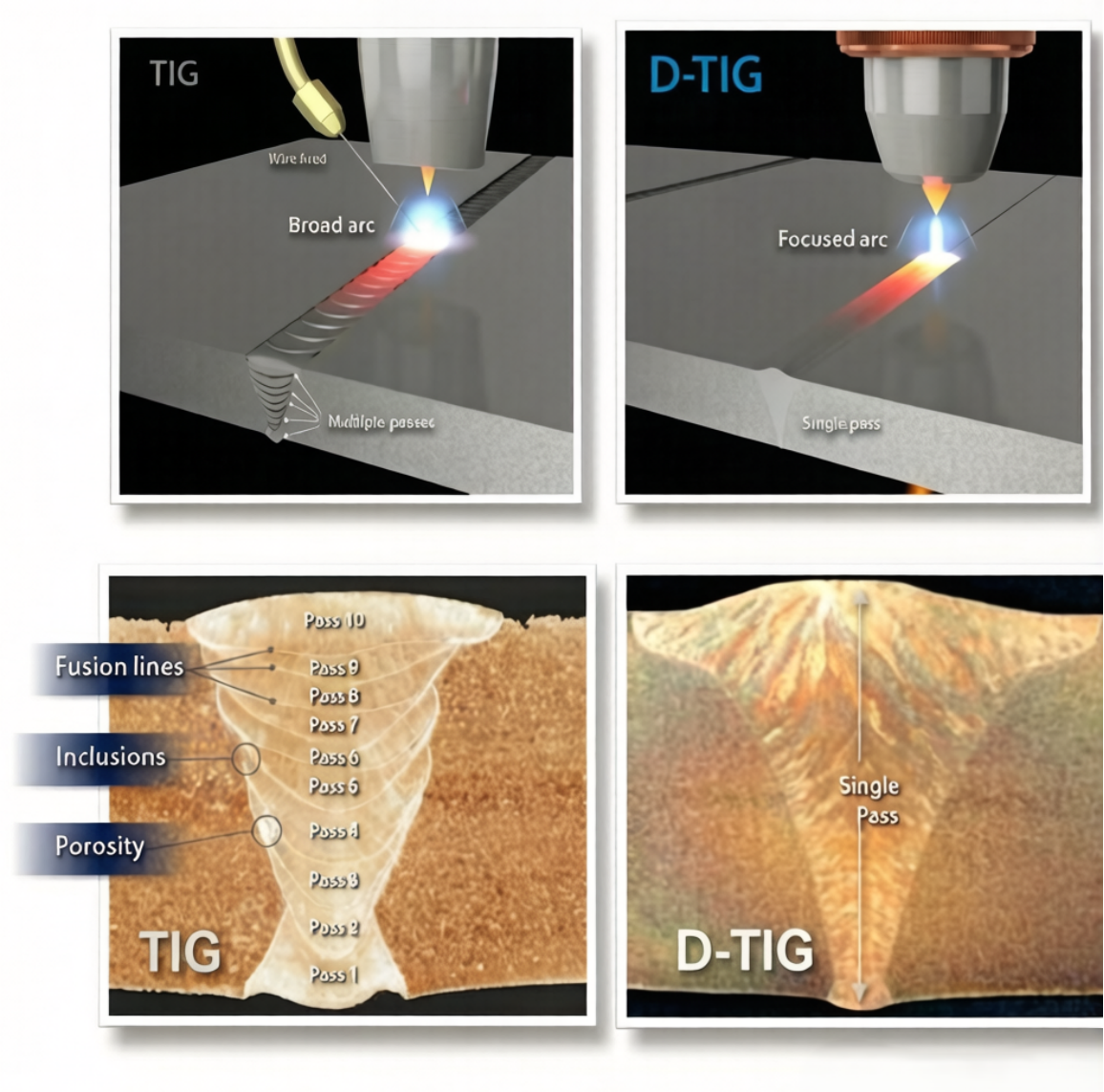
Deep penetration TIG welding, also known as keyhole GTAW, is developed based on conventional TIG (GTAW). High-efficiency electromagnetic compression of the arc together with water-cooled torches greatly raises the arc energy density. A keyhole effect is generated within the molten pool, enabling high-efficiency welding with single-pass full penetration on medium and thick plates, achieving one-side welding with back formation.
Advantages of Keyhole TIG Welding
Significantly higher welding speed (over 4–5 times that of manual TIG welding; the improvement is more prominent for thicker workpieces within the weldable thickness range)
Welds with excellent mechanical properties
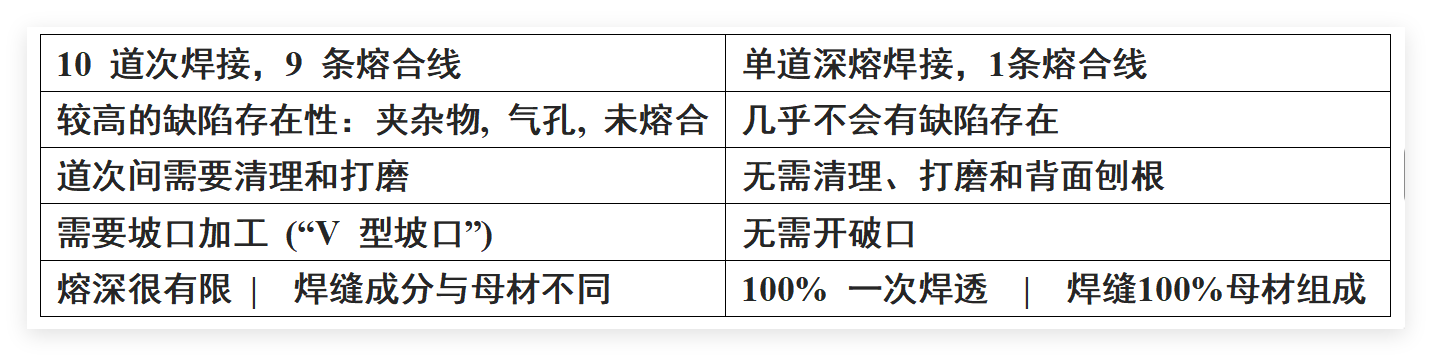
Complete, regular full-penetration welds
Meets requirements for 100% radiographic testing
Welds with chemical composition and mechanical properties matching the base material
Concentrated arc narrows the heat-affected zone and reduces oxidation
Excellent weld appearance
No groove preparation required, substantially lowering filler wire consumption
Easy arc control during welding
Applicable Materials for D-TIG Welding
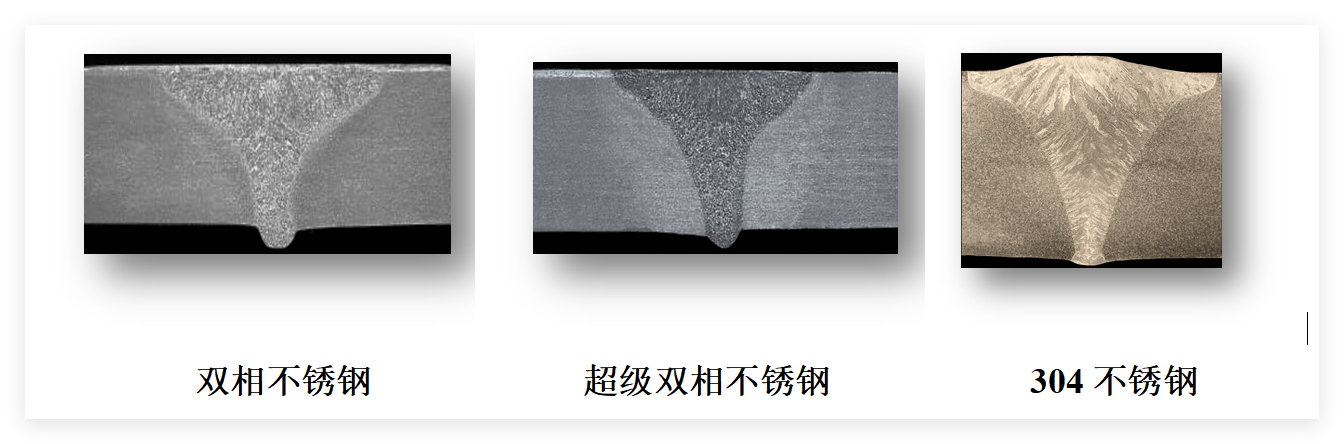
Austenitic stainless steel (3–12 mm)
Duplex stainless steel (3–10 mm)
Super duplex stainless steel (3–10 mm)
Titanium alloy (3–15 mm)
Nickel-based alloy (3–10 mm)
Carbon steel (4–7 mm)
Low-temperature carbon steel (4–8 mm)
If the material thickness exceeds the upper limit, groove preparation can be adopted for root welding. This method can also greatly reduce filler wire consumption and production time. Please refer to the schematic diagram below for available groove types.